Alternator Office Politics Inside Your Car Explained
An alternator is essentially the car’s office worker who never gets to clock off, even when everyone else has gone home.
While you are worrying about traffic, parking spaces and whether that mysterious noise is expensive, the electrical system is quietly running its own little business beneath the bonnet. Lights need power. The stereo wants attention. Heated seats are demanding their share. The engine computer is processing more information than some office managers. Meanwhile, the battery is sitting there like an exhausted colleague wondering why everyone keeps asking it for favours.
It is a surprisingly busy workplace.
And because modern cars contain enough electrical equipment to make an old-fashioned motorist suspicious of witchcraft, keeping that electricity flowing is rather important.
Table of Contents
The Battery Gets All the Glory
The battery tends to receive most of the attention because it gets blamed whenever the engine refuses to start.
You turn the key or press the button. Nothing happens. Perhaps there is a pathetic click. Perhaps the dashboard lights flicker dramatically, as if auditioning for a low-budget horror film.
Naturally, everyone blames the battery.
But the battery is not supposed to do all the work. Its primary job is to provide the electrical energy needed to start the engine and supply power when the engine is not running. Once the engine is operating, another component takes over much of the electrical workload.
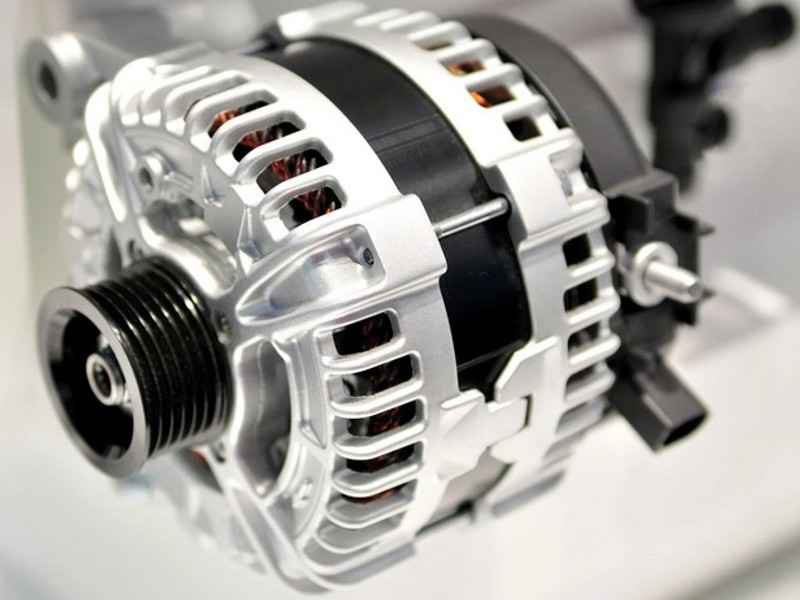
That component is the alternator.
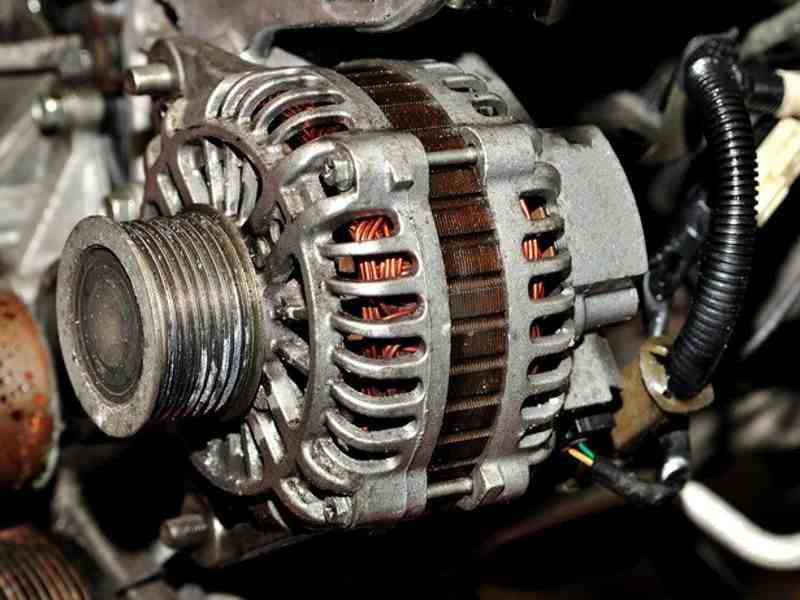
Driven by the engine, it converts mechanical energy into electrical energy. The electricity can then power the vehicle’s electrical systems and replenish energy used by the battery.
Think of the battery as a savings account and the charging system as the salary arriving every month. If the salary stops appearing, the savings might keep things going for a while. Eventually, however, someone is going to discover that the account contains approximately three pounds and a loyalty stamp.
That is when the trouble starts.
Alternator Office Politics Under the Bonnet
The alternator has a deceptively simple job, but it works alongside several other components, including the drive belt, voltage regulator, battery and vehicle wiring.
If something goes wrong, the symptoms can be surprisingly theatrical.
A charging warning light may appear on the dashboard. Headlights might become unusually dim or fluctuate. Electrical accessories can behave strangely. You may notice difficulty starting the car, particularly after driving for a while and switching the engine off.
There may also be an unusual whining, grinding or squealing noise from the engine bay.
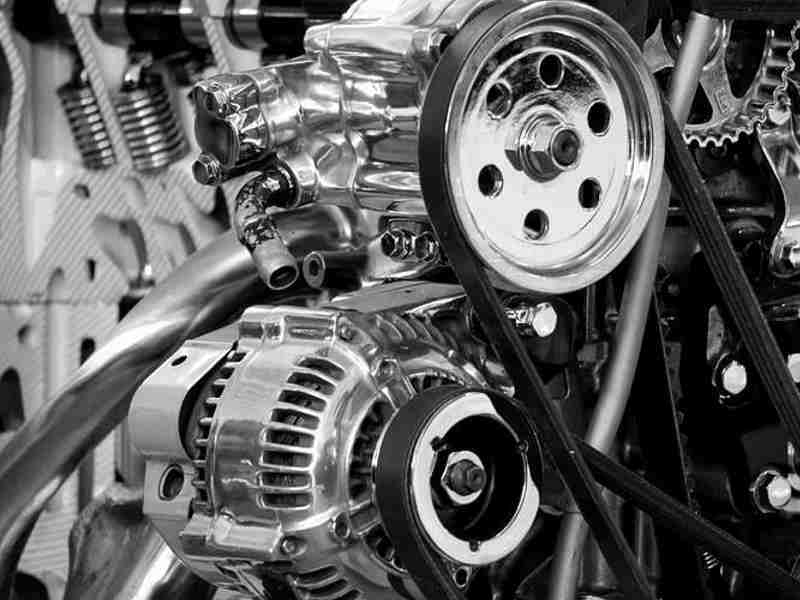
A squealing belt deserves particular attention. The alternator depends on the drive belt to turn, so a belt that is worn, loose or damaged can affect charging performance. In some vehicles, the same belt drives other important components, making a belt problem more than just an irritating noise.
Then there is the smell.
A failing charging system can sometimes produce a hot electrical or rubber-like smell. That is not your vehicle expressing its personality. It is a reason to stop treating the dashboard as decorative artwork and investigate the problem.
One important point is that a charging fault does not automatically mean the alternator itself has failed. A weak battery, damaged wiring, poor electrical connections, a faulty regulator or belt problem can create similar symptoms.
That is why replacing parts at random is rarely a brilliant strategy. It is the automotive equivalent of replacing your kettle because the toaster looks suspicious.
Proper diagnosis matters.
When the Car Starts Acting Strange
Electrical faults can be wonderfully confusing because modern vehicles have so many systems sharing information and power.
A weak charging system may cause several unrelated-looking symptoms. You could experience a warning light, dim lighting, sluggish electrical accessories and starting trouble within the same period. It can feel as though the entire car has collectively decided to resign.
The sensible response is to pay attention to patterns.
If the battery repeatedly goes flat despite being relatively new, the charging system deserves inspection. If the vehicle starts normally but struggles after a journey, that can also point towards a charging issue. Likewise, unusual electrical behaviour should not simply be dismissed as one of those “cars being cars” moments.
A garage can test the charging system, inspect the battery and examine the belt and relevant connections. Testing voltage and charging performance helps establish whether the system is functioning correctly.
This is considerably better than buying a new battery, discovering the problem remains, buying another battery, becoming emotionally attached to the second battery and eventually discovering the original fault was somewhere else.
Also, avoid assuming that a dashboard warning light will disappear because you have politely ignored it for three weeks. Cars are not particularly good at taking hints.
Give Your Electrical Team a Fighting Chance
The best maintenance strategy is delightfully unglamorous: keep an eye on the basics.
Make sure the battery terminals and electrical connections are clean and secure. Have the drive belt inspected during routine servicing, particularly if you notice cracking, fraying, unusual movement or noise. Follow the manufacturer’s recommended maintenance schedule rather than waiting for something to fail spectacularly.
Battery condition matters, too. A tired battery places additional demands on the charging system, particularly during cold weather or when the car is used frequently for short journeys.
Modern vehicles can also place substantial electrical demands on the charging system. Heated screens, seat heaters, powerful audio systems, lighting, ventilation and numerous electronic control units all consume energy. None of these is individually outrageous, but together they make the electrical system work rather harder than it did in a basic hatchback from decades ago.
And remember that jump-starting a car is not a diagnosis.
It may get the engine running, but it does not tell you why the battery became flat. If the charging system is not replenishing the battery properly, you have merely postponed the next inconvenient episode.
There is something oddly reassuring about understanding this little ecosystem. The battery starts the process, the engine provides mechanical energy, the charging system turns that movement into electricity, and the vehicle’s electronics get on with their surprisingly complicated lives.
Most of the time, you never need to think about any of it.
That is precisely how a well-maintained car should behave.
But if your dashboard suddenly lights up like a Christmas tree, your headlights begin looking anaemic or the engine bay develops a new and unpleasant soundtrack, do not wait for the car to submit a formal complaint.
Get the charging system checked before a minor electrical issue turns into a roadside meeting with a recovery truck.
After all, the alternator may be the hardest-working employee under your bonnet, and unlike the rest of us, it does not even get weekends off.