A Fun Dive into Car Brake Pads
When it comes to vehicles, folks tend to refer to the flashy aspects—the engine growl, the aggressive bodywork, or the high-end infotainment systems. But behind all that glitz, there is a working-class, unsung hero quietly getting the job done every time a driver presses the brake pedal. That unsung hero? The unspectacular car brake pads or brake lining. Sure, they don’t get the glory, but without them, every ride would be a runaway path to catastrophe.
Table of Contents
What in the World Are These Enigmatic Brake Pads?
Understand automobile brake pads as the sneakers of your braking system—just instead of cushioning your feet, they’re stuck and slowing down huge wheels moving at high rates. Small bits of friction material housed in the brake calipers, these fit against the rotors when a driver floors the brake pedal. The result? The car slows or stops.
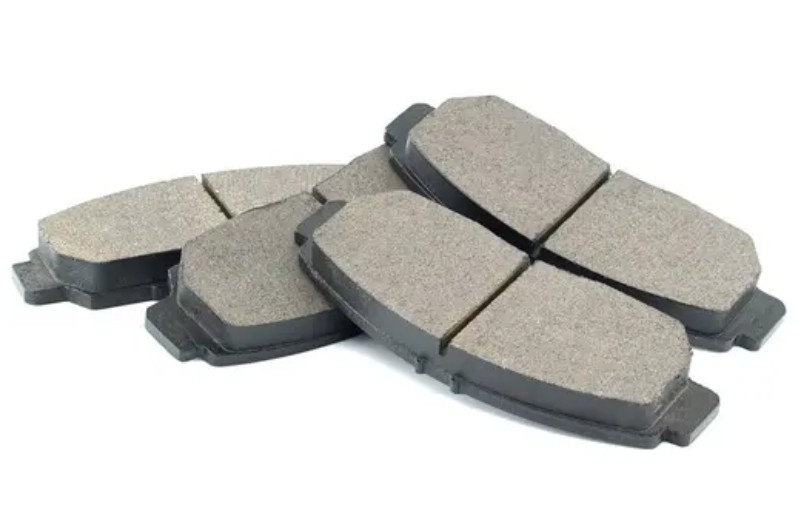
They’re so easy to forget because they operate in the background without requiring much recognition. The next time one hears someone complain that their brakes are squealing or feels a strange vibration when one braked, one can be sure it’s time to pay attention to those pads.
Why Should Anyone Care About Brake Lining?
That’s where it gets serious. These pads are not some loose car part lying around in a greasy mechanic’s toolbox. They’re necessary for safety. Imagine a car with good brake lining: it’s like trying to stop a freight train with a wet noodle. That’s not just annoying; it’s dangerous.
Beyond safety, dead brake lining can cause other issues that nobody desires—a cacophony of ugly screeching noises, expensive damage to the rotors, or that sinking feeling when the brakes are “off.” It’s one of those things where a little preventative maintenance can prevent a lot of headaches (and dollars) in the future.
The Many Types of Brake Pads
Here’s something interesting: not all pads are created equal. Just like selecting the correct shoes for a jog, motorists have choices based on how and where they drive. Organic pads consist of a blend of natural compounds and resins. They’re quiet and easy on rotors but wear out more quickly, so they’re a good choice for day-to-day city driving.
Then there are semi-metallic ones. They have metal fibers blended with whatever else. They’re more robust and provide better braking power, but they can be louder and harder on rotors. For folks that drive harder or tow big loads, these can really make an impact.
At the upper end of the scale, ceramic pads are where precision intersects with performance. They are longer-lasting, generate less brake dust, and deliver consistent performance at different temperatures. Although they are usually more expensive, the compromise in smoothness and durability is worthwhile to most drivers.
The Story of the Squeaky Brakes
If a car suddenly starts making a high-pitched squealing noise every time the brakes are applied, it’s like the car is screaming, “Hey, look at me!” That noise usually indicates the brake pads are low. Many pads contain a small metal indicator that rubs against the rotor to produce that characteristic noise when replacement is necessary.
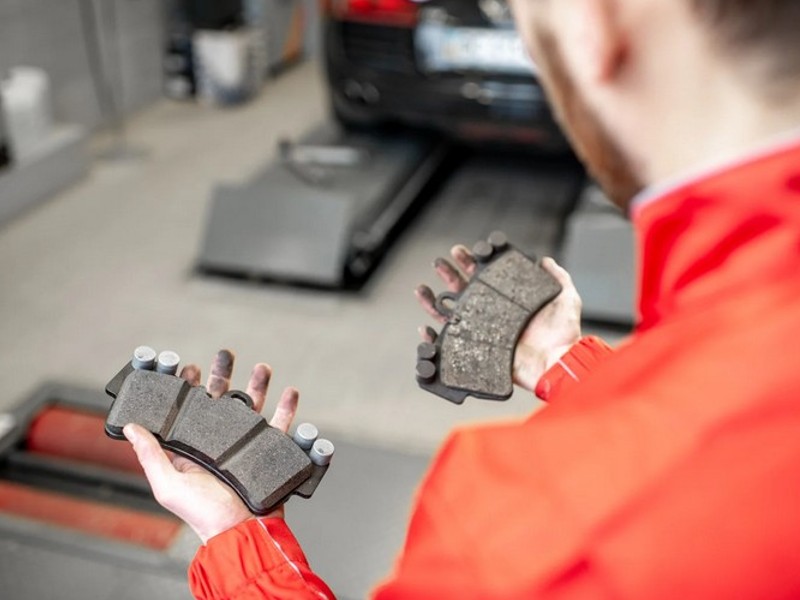
Disregarding that squeak isn’t only inconvenient for riders; it’s a distinct signal. Drivers who ignore the sound run the risk of warping the rotors and having a much more expensive repair job. Additionally, braking capability plummets, which nobody wants on a high-speed highway or a steep incline.
How Frequently Should Brake Lining Be Replaced?
There’s no such thing as a one-size-fits-all solution here since brake pad longevity is based on multiple factors: driving style, car model, road conditions, and even the quality of pads themselves.
Typically, brake lining will last between 25,000 to 70,000 miles. A person who drives a lot of stop-and-go city traffic will run them through faster than a highway driver who spends most of his time driving smooth, steady velocities. But the golden rule? When the brakes feel less responsive, make a noise, or vibrate, get them checked.
Do It Yourself or Leave It to the Experts?
Replacing these pads is not a beginner’s weekend project for the majority of people. There is some mechanical savvy, the correct tools, and time involved. Yes, for the experienced gearhead, brake lining replacement can be rewarding, even enjoyable. But for the ordinary motorist, leaving it to a competent mechanic usually is the better choice.
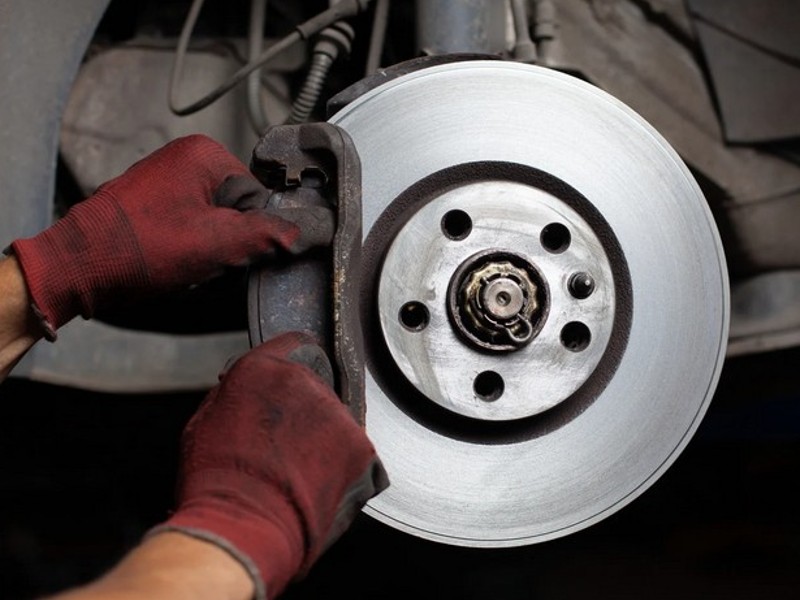
Not to mention, a professional can detect other problems—such as bowed rotors or dripping brake fluid—that a do-it-yourself repair could miss. And because brakes are a safety component, an extra pair of trained eyes is never a bad thing.
How to Prolong the Life of Brake Lining
Everyone loves a bit of brake pad longevity without spending a fortune. And luckily, you don’t need to be a mechanic to stretch their lifespan.
One large tip is to never ride the brakes. Forcing your foot on the brake pedal continuously, and particularly in stop-and-go traffic, results in unnecessary wear and tear. Drivers may also employ engine braking—either downshifting in manual transmissions or taking their foot off the gas in automatics—to assist with slowing the car down slowly without depending solely on the brakes.
Another simple one? Lighten the load. Carrying extra-heavy equipment in the trunk places more stress on the braking system. Lifting unnecessary weight makes it easier for the vehicle to stop and relieves pressure on the pads.
Routine checks go a long way too. Having the brakes inspected during regular maintenance means problems get caught early, long before they turn into costly fixes. Prevention always beats emergency repairs—especially when it comes to something this important.
A Quick Word on Brake Pad Quality
There’s a temptation to grab the cheapest pads off the shelf or order a discount set online. While saving money is tempting, poor-quality pads can compromise braking efficiency and safety. Investing in well-reviewed, trusted brands ensures the pads deliver as promised—smooth stopping power without premature wear or noise.
And let’s not forget the fine print: high-quality pads usually come with better warranties and customer support. That’s a peace-of-mind bonus that drivers can’t always put a price on.
When Pads Meet Technology: The Future Is Here
The car world isn’t static, and neither is brake pad. New materials, designs, and manufacturing methods are advancing performance, and some electric and hybrid vehicles employ regenerative braking systems that minimize wear on conventional pads by harvesting energy when decelerating. This technology is saving the environment and money.
Also, intelligent sensors built into brake systems can notify drivers before pads become critically low, providing an additional layer of tech-infused safety. So, the next time a futuristic car glides silently to a stop, part of that magic might be advanced brake pad technology quietly at work.
Don’t Take Brakes for Granted
Next time anyone hops into a car, it’s worth giving a little mental nod to those unsung heroes working hard behind the scenes. Sure, these pads don’t sparkle or roar, but their role is crucial, lifesaving, and worth understanding.
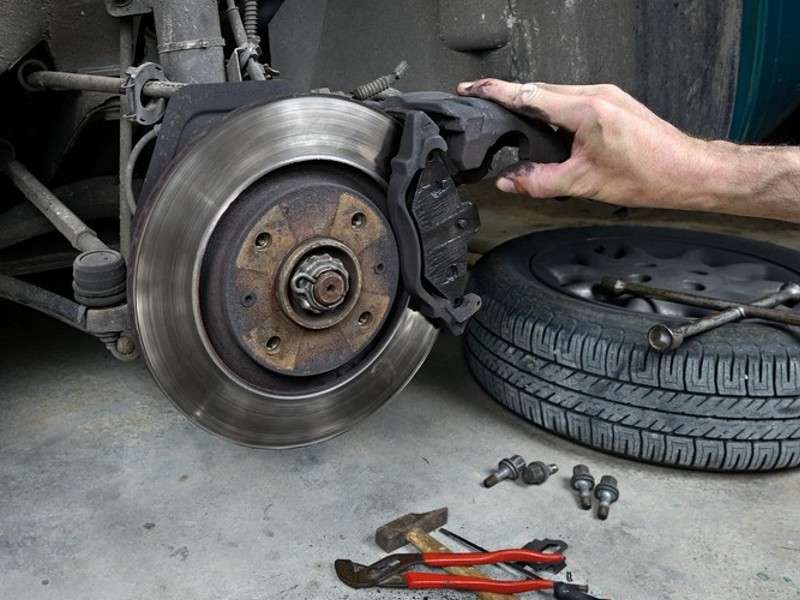
Whether someone’s a casual driver or a car enthusiast, appreciating these small but mighty car parts helps keep everyone safe and sound on the road. After all, every smooth stop starts with a good set of brake pads.