Parcel Delivery from Slovenia to Germany Explained Fun
Parcel delivery from Slovenia to Germany is proof that modern logistics operates on a level of organisation that most of us can only dream about.
Think about how your holiday planning process (eg: Choosing a hotel; researching multiple sources) compares to your average parcel’s journey. You will spend three weeks comparing hotels and their reviews, putting together spreadsheets and charts, and with all that work, you still missed a turn on your way to the airport. In contrast, a cardboard box that contained your handmade slippers was shipped from Slovenia on Tuesday and arrived in Germany before you made your choice regarding what to watch on Netflix.
Frankly, the parcel is winning.
Table of Contents
Your Parcel Has Better Travel Stories Than You
Imagine being a package.
One day you are sitting comfortably in a warehouse in Slovenia. The next, you are traveling throughout Europe without having to worry about parking, paying for gas, or haggling with a satellite navigation system.
You are scanned, sorted, loaded, emptied, sorted again, and sent on through a network so large and effective that it looks like a massive Tetris game played by spreadsheet enthusiasts.
The majority of clients only observe two stages of the procedure.
The moment they send the parcel.
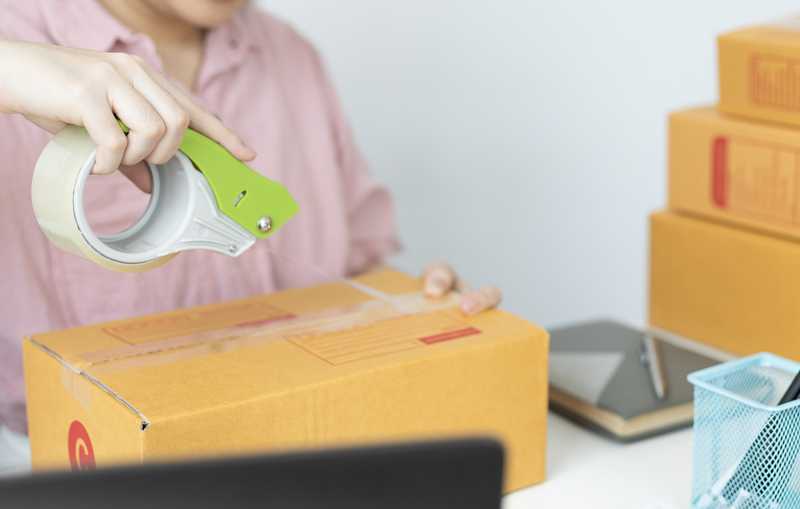
And the moment it arrives.
Everything in between feels slightly magical.
Naturally, the reality requires an incredible amount of preparation.
At the same time, thousands of shipments are being moved. An air traffic controller would be impressed by the precision with which logistics teams plan routes, schedules, warehouses, vehicles, and delivery windows.
Even yet, your package manages to make its way through the throng.
The Great Tracking Addiction
Nobody talks enough about what parcel tracking has done to society.
Years ago, if you ordered something, you waited.
That was it.
You waited patiently and hoped for the best.
Today, things are very different.
A parcel gets collected, and suddenly you are checking updates every half hour.
“Arrived at facility.”
Excellent.
“Departed facility.”
Very good.
“In transit.”
Wonderful.
Then six minutes pass without an update.
Panic begins.
Has it disappeared?
Has it joined a travelling circus?
Has it decided to start a new life in Austria?
Of course not.
It is simply moving through the network exactly as planned.
Yet millions of people across Europe continue refreshing tracking pages with the determination of stock market traders watching a major investment.
Parcel Delivery from Slovenia to Germany Is a Team Sport
Most people picture a single driver carrying a package from one country to another.
The reality is far more impressive.
A parcel may pass through several facilities, travel on multiple vehicles, and be handled by numerous logistics professionals before reaching its destination.
Each step has a purpose.
Sorting centres group shipments heading in the same direction. Transport hubs coordinate large volumes of freight. Drivers ensure goods keep moving according to schedule.
The entire system relies on timing.
If one stage falls behind, it can affect everything that follows.
That is why logistics companies invest so heavily in technology, planning, and efficiency. The smoother the operation, the faster goods move from sender to recipient.
It may not sound glamorous, but without it, modern commerce would grind to a halt remarkably quickly.
Germany: A Nation That Appreciates Efficiency
If there is one country that understands the value of things arriving where they are supposed to arrive, it is Germany.
German consumers and businesses expect reliability. Logistics providers understand this perfectly.
One factor that makes shipping routes from Slovenia to Germany so valuable is due primarily to the significant reliance on consistent product shipments by both large and small businesses; such as, shipping fashion items, high-tech goods, specialized food products, and/or online retail purchases.
The success of this entire operation is due in large part to the very well established European transportation network linking Slovenia to Germany.
The simplicity of all this apparent success can be misleading, because it has taken decades of development and refinement of the underlying infrastructure, operational know-how, and ongoing development within all parties involved to achieve this success. Not quite as exciting as a spy film, perhaps, but significantly more useful.
The Strange Things People Ship
Spend enough time in logistics and you realise people will send almost anything.
Some shipments are entirely predictable.
Books.
Clothes.
Household goods.
Then there are the packages that make warehouse staff pause for a moment.
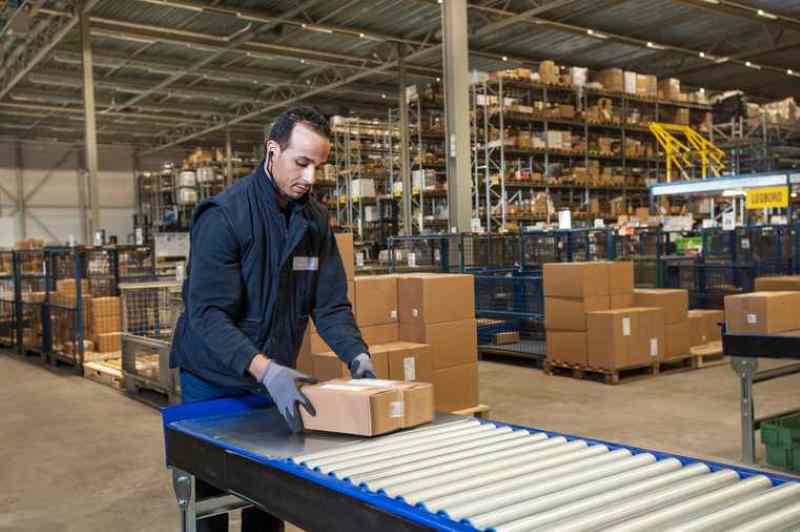
Perhaps it is unusually shaped.
Perhaps it is exceptionally heavy.
Perhaps it is wrapped in enough tape to survive re-entry from space.
Every logistics professional has stories about memorable parcels.
The beauty of the system is that it treats them all with the same objective. Get the shipment safely from A to B as efficiently as possible.
No judgement required.
What Everyone Really Wants
Despite all the advanced technology involved, customer expectations remain surprisingly straightforward.
People want their parcel to arrive.
They want it to arrive when promised.
And they would very much like the contents to remain intact.
That’s pretty much it.
A vast network of warehouses, automobiles, software programs, transportation planners, and logistics experts collaborate to make those straightforward expectations a reality.
Most of the time, they are so successful that no one notices.
In many industries, being invisible would be considered a failure.
In logistics, it is often the ultimate compliment.
A Quiet Modern Miracle
Because delivery services are so effective, we often take them for granted.
However, the process is very amazing when you give it some thought.
Slovenian companies are able to ship goods to clients hundreds of miles distant. A family can ship gifts across borders. Global online shopping is fast and easy.
This all happens on a regular basis without any excitement or trouble.
The next time your package reaches you (before it gets there) you should consider how it got there with so much distance travelled to get there.

What you see as a “plain” cardboard box has travelled much greater distance, used more shipping centres along its way, and had much greater care in its direct route than the vast majority of people do on their yearly vacation.
This has been the experience for thousands of parcel delivery from Slovenia to Germany.